Is Weight Training Good for You?

Chelsey Smith • March 12, 2024

Weight training, also known as strength training or resistance training, has been scientifically proven to offer numerous health benefits, making it an essential component of a comprehensive fitness regimen. Not only does it build muscle mass and increase strength, but it also contributes to fat loss, improves bone density, and enhances metabolic rate. Furthermore, engaging in regular weight training can reduce the risk of chronic diseases such as type 2 diabetes, heart disease, and arthritis, while also improving mental health by reducing anxiety, depression, and enhancing cognitive function.


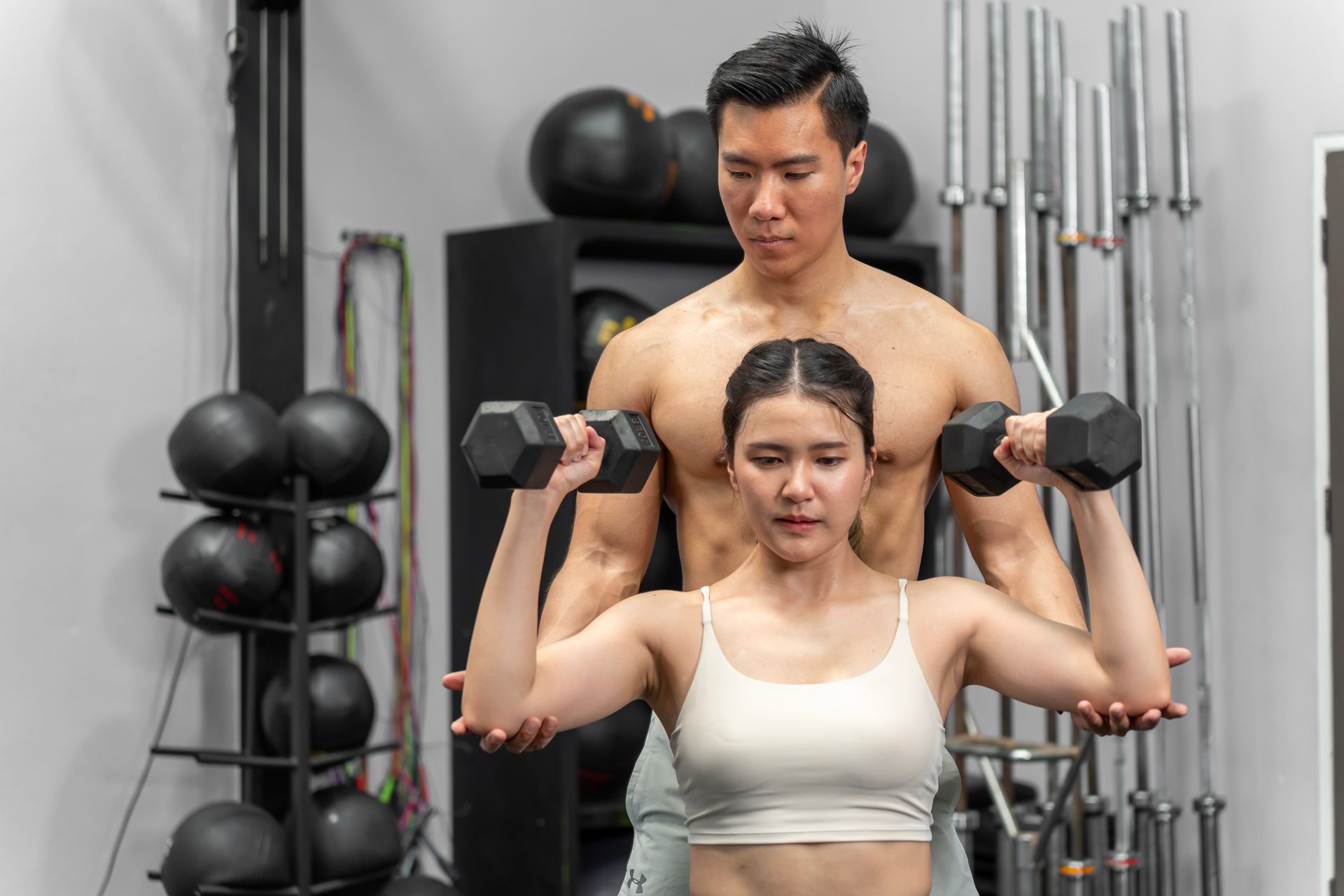
Despite its myriad benefits, it is crucial to approach weight training with caution and proper knowledge. Beginners should consider seeking guidance from a certified fitness professional to ensure the correct form and technique, minimizing the risk of injury. It's also essential to start with lighter weights and gradually increase the intensity as strength and confidence grow. Incorporating a variety of exercises targeting different muscle groups can promote balanced muscle development and prevent overuse injuries. Tailoring your weight training regimen to fit your unique health conditions, goals, and lifestyle is the key to reaping the maximum benefits while ensuring safety and sustainability.


Additionally, incorporating rest days into your weight training schedule is vital for muscle recovery and growth. Muscles need time to repair and strengthen after a workout session, and over training can lead to decreased performance, fatigue, and a higher risk of injury. It is recommended to allow at least 48 hours of rest between exercising the same muscle group and to listen to your body’s signals.


Proper nutrition also plays a critical role in supporting your weight training efforts. Consuming a balanced diet rich in proteins, carbohydrates, fats, vitamins, and minerals can help fuel your workouts, aid in recovery, and contribute to muscle growth. Remember, integrating weight training with cardiovascular exercises, flexibility workouts, and a healthy lifestyle can create a well-rounded fitness program that promotes overall well-being.


Recognizing when you've made a mistake or veered off course in your weight training regimen can be as important as the exercises themselves. Some telltale signs that you might need to adjust your routine include experiencing persistent soreness or injuries, a plateau in strength gains or muscle growth, and feelings of excessive fatigue rather than vitality post-workout. If you find your motivation waning or dread your training sessions, it may also indicate that your program isn't aligned with your personal goals or preferences, necessitating a reassessment of your regimen.


It's essential to remain attentive to your body's signals and be willing to adapt your routine. Consultation with a fitness professional can provide valuable insights and adjustments to ensure your weight training continues to be both safe and effective, helping you stay on track toward achieving your fitness objectives. If feel you have injured something, don’t forget to call on the team at West Niagara Chiropractic and Wellness Clinic.


While weight training offers significant benefits and should be a staple in fitness routines, it doesn't necessarily need to be included in every workout session. The key to a balanced fitness program lies in variety, which helps prevent overuse injuries, promotes full-body strength, and keeps workouts engaging.


Alternating weight training days with cardiovascular exercise, such as running, biking, or swimming, and including flexibility practices like yoga or Pilates, can provide comprehensive health benefits. This holistic approach ensures that you're not only building muscle and strength but also improving your heart health, flexibility, and mental well-being. Tailoring your workout schedule to fit your body's needs and recovery capacity is essential, as this customization will help optimize your overall fitness and health.


The team of professionals at West Niagara Chiropractic and Wellness Clinic will help you stay healthy during your journey of exercising safely they are phone call away at (905) 945-3981!

By Chelsey Smith April 26, 2026
Pregnancy is an incredible journey—but let’s be honest, it can also come with aches, pains, and unexpected physical stress. If you’ve been hearing about a prenatal chiropractor and wondering what they do (and if it’s worth it), you’re not alone. Let’s break it down in a way that’s easy to understand especially if you’re in the Hamilton area and exploring options for better prenatal care.
Niagara Chiropractor
By Chelsey Smith March 18, 2026
When people think about visiting a chiropractor, they often associate it with back pain or injuries. While pain relief is certainly one of the most common reasons people seek chiropractic care, the benefits go far beyond that. Chiropractic treatment focuses on improving spinal alignment, supporting the nervous system, and helping the body function at its best. If you’ve been considering chiropractic care, here are the top five reasons why it may be a great addition to your wellness routine.
By Chelsey Smith February 17, 2026
Many people first visit a chiropractor seeking relief from a specific ache or pain. Whether it's a stiff neck from long hours at a desk, a sore back from a weekend project, or a nagging injury that won't go away, the goal is often immediate relief. But what happens after the initial pain subsides? Chiropractic care offers more than just a quick fix; it provides a path to long-term health through regular maintenance.  Just as you visit a dentist for regular cleanings to prevent cavities, chiropractic maintenance helps prevent musculoskeletal issues and enhances your overall well-being. It’s a proactive approach to health that keeps your body functioning at its best. This guide will explore the significant benefits of incorporating regular chiropractic adjustments into your wellness routine.
By Chelsey Smith January 13, 2026
You’ve seen them in modern offices, trendy coworking spaces, and maybe even your neighbor’s home setup. Standing desks have transformed from a niche ergonomic tool into a staple of the contemporary workplace. But is trading your chair for a standing setup actually good for you, or is it just another wellness fad?  Before you commit to standing all day, it helps to understand what you’re getting into. Let’s break down the real benefits and the potential pitfalls of making the switch.
By Chelsey Smith December 23, 2025
The start of a new year often brings a wave of motivation. We set goals to eat better, exercise more, and improve our overall well-being. While these resolutions are fantastic, one crucial aspect of our health is frequently overlooked: our spine. Think of your spine as the foundation of your body. When it's not aligned, it can affect everything else. This January is the perfect opportunity to make spinal health a priority.
Man shoveling snow from a wooden porch wearing a blue parka, jeans, and a patterned sweater.
By Sara DeSantis December 2, 2025
The first heavy snowfall of the season brings a certain kind of quiet beauty. But it also brings the chore many of us dread: shovelling. While it might seem like just another task, shovelling is a strenuous physical activity. Rushing out into the cold without preparing your body is a recipe for injury. A few minutes of warming up can make all the difference between a clear driveway and a painful trip to the doctor.
Woman lifting dumbbells with guidance from a trainer in a gym setting.
By Sara DeSantis November 21, 2025
Slouching over a desk or phone is a common habit, but it can lead to more than just a temporarily sore neck. Poor posture contributes to back pain, muscle imbalances, and even reduced lung capacity over time. While you might try to consciously sit up straight, a more lasting solution lies in building the physical foundation for good posture. Strength training is a powerful tool that can help you stand taller, move better, and feel stronger.
Four people running on a paved road with yellow lines. They are wearing athletic clothes.
By Sara DeSantis October 7, 2025
Have you ever stopped to think about how you walk? This seemingly simple, automatic action is known as your gait. It's your personal pattern of movement when you walk or run. While you may not give it much thought, your gait is a complex process involving your brain, spinal cord, nerves, muscles, and bones, all working in harmony. It's also a powerful indicator of your overall health. An efficient gait allows you to move freely and without pain. But when something is off, it can lead to a domino effect of issues, from sore knees to chronic back pain. Understanding your gait is the first step toward addressing these problems and improving your quality of life.
Children running on a track, wearing white shirts and shorts; smiling. Stadium in the background.
By Sara DeSantis September 5, 2025
As a parent, you want to give your child every advantage, whether in the classroom or on the athletic field. An active lifestyle is crucial for their development, and having the right gear is a big part of that. When it comes to athletics, the single most Important piece of equipment is their shoes. The right pair can make running more enjoyable, improve performance, and most importantly, help prevent injuries. But with so many options available, how do you choose the best running shoes for your child? This guide will walk you through everything you need to know. We’ll cover how to find the perfect fit, what features to look for, and why proper footwear is essential for your young athlete's health.
A golfer tees up a ball on a bright green golf course under a sunny sky.
By rob August 8, 2025
Golf is a sport enjoyed by millions worldwide, celebrated for its mix of leisure, concentration, and technical skill. Despite its reputation as a low-impact activity, golfers frequently experience injuries due to repetitive motion, poor technique, and inadequate preparation. Understanding these injuries and how to prevent them can lead to a better, pain-free golfing experience. Below, we’ll outline some of the most common golf injuries and offer practical strategies to avoid them.