What Happens at Your First Chiropractic Appointment in Grimsby?
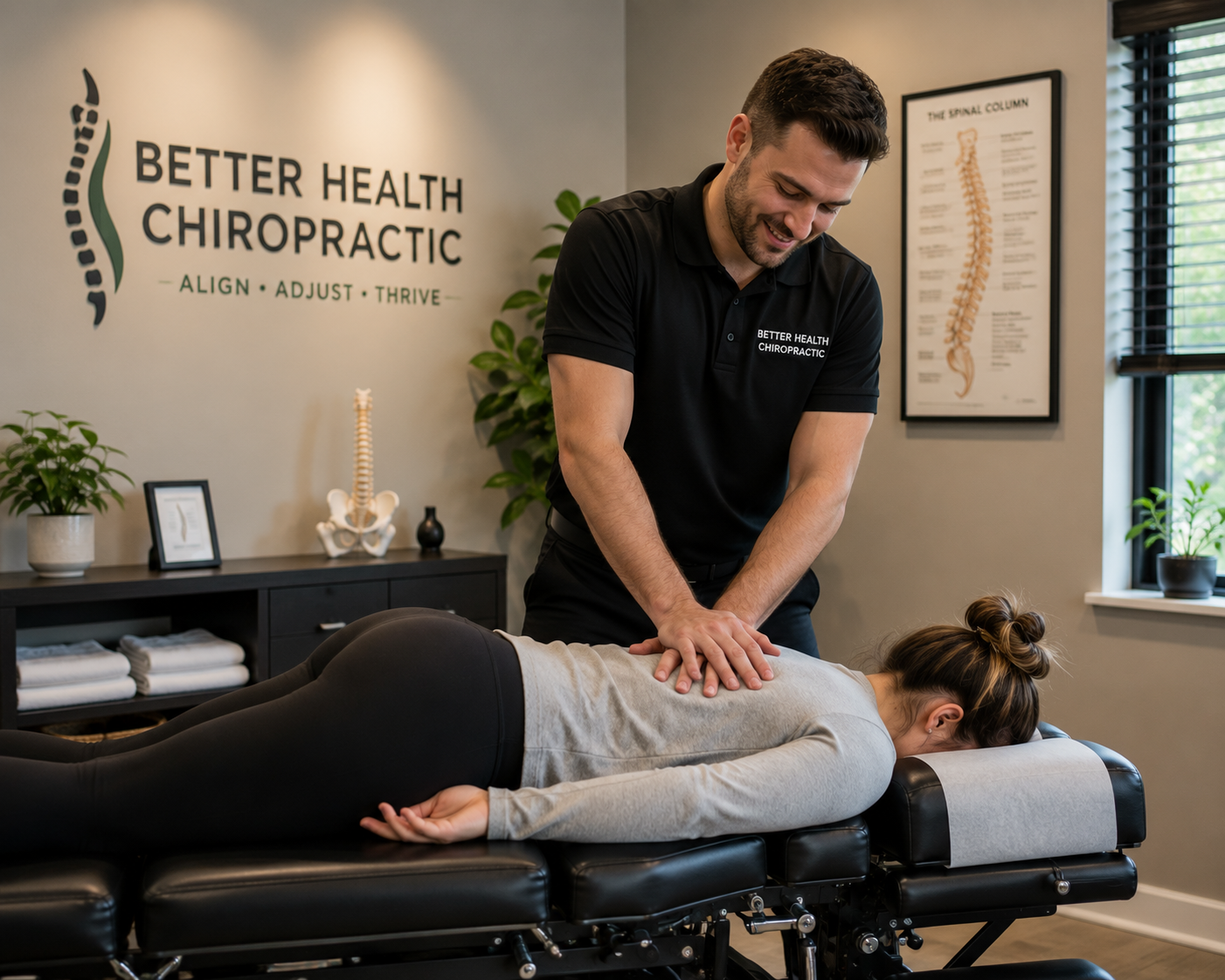
At your first chiropractic appointment, we begin by listening. We ask about the concern that brought you in, your health history, what makes symptoms better or worse, and what you hope to do more comfortably. We then assess whether chiropractic care is appropriate, explain the findings and options, and invite your questions before any agreed treatment. An initial visit is a chance to understand the problem, not a requirement to commit to a predetermined course of visits. At West Niagara Chiropractic & Wellness Centre in Grimsby, our team offers a range of chiropractic and related therapies. People often arrive unsure what to expect, particularly if they have never visited a chiropractor. This guide explains the usual stages and how to prepare. The details of your assessment and any treatment depend on your health history and clinical findings.

What should you bring to the appointment?
Bring a list of your main symptoms and when they began. Include where you feel pain or stiffness, whether it travels, and whether you have numbness, tingling, or weakness. Tell us about previous injuries, surgery, major health conditions, medications, and other care you are receiving. If you have relevant reports or imaging, ask our team whether they would be useful to bring; do not assume that new imaging is necessary for everyone.
Wear clothes that let you move comfortably so we can assess the area of concern. Bring your health card and insurance information as appropriate, and check the clinic's current intake and payment process when booking. If there are particular movements you cannot perform, tell us rather than trying to push through them.
It can help to write down two or three questions. You might ask what the assessment suggests, what the options are, how progress will be measured, and what you can do between appointments. We want you to understand the reasoning behind a recommendation.
How does the health-history conversation work?
We ask you to describe the problem in your own words. When did it start? Was there a specific injury or a gradual change? Does it vary with work, sport, sleep, or daily tasks? We also ask about medical history and symptoms that might change the assessment or indicate a need for another healthcare professional. Honest answers help us make safer, more useful decisions.
A history is more than a formality. Two people with “back pain” may need different assessments because one has a recent lifting injury and another has a long-standing issue with leg symptoms. We do not treat every complaint as a routine muscle strain. If something does not fit a straightforward musculoskeletal pattern, we may recommend medical evaluation.
Tell us what care you have already tried and what happened. A previous treatment that helped or worsened symptoms is relevant. Let us know what matters most to you: returning to a particular activity, understanding a recurring symptom, or finding a manageable way to move through the workday.
What happens during the physical assessment?
The clinician may look at posture and movement, assess range of motion, and perform relevant orthopedic or neurologic checks depending on the complaint. We may examine the area that hurts and nearby regions that influence movement. We explain what we are doing and ask you to tell us if a test causes significant discomfort.
No single test answers every question. We combine your history with the examination to decide what is likely, what remains uncertain, and whether care within our scope is suitable. If a movement is too painful, we can adapt the examination. The goal is to gather useful information, not force you through a standard checklist.
Our clinic lists several therapies, including approaches to soft tissue concerns, stretching and stabilizing guidance, and cervical or lumbar disc distraction for selected patients. Those options are not automatically part of a first appointment. We select or discuss them only when the assessment supports their use and you understand the plan.
Will I need an X-ray?
Not everyone with neck or back pain needs imaging. The decision depends on your symptoms, examination, history, and whether the result would affect care. If imaging is considered, ask why it is recommended, what question it would answer, and what alternatives exist. We discuss clinical findings rather than ordering a test merely because it is the first visit.
If you already have imaging or reports, bring the information or tell us where it was done. A prior study can provide context, but it must be interpreted alongside your current symptoms. A picture cannot replace a conversation and physical assessment. If new imaging or a medical referral is appropriate, we explain the reason and next step.
Does treatment happen on the first visit?
It may, if the history and examination make it appropriate and you choose to proceed. Sometimes we need more information, the condition needs a different provider, or you would prefer time to consider options. We explain what we believe is going on, what care could involve, potential benefits and risks, and reasonable alternatives before obtaining consent. You can ask questions and decline or pause a proposed technique. A first visit should not feel like a sales pitch for a fixed number of treatments. We can outline a plan and how we would reassess progress. The response to care and your goals matter. If treatment is not the right next step, a referral or medical assessment may be more useful. If you are nervous about manual techniques, tell us. Our website lists more than one approach, and the conversation can include your preferences and clinical suitability. Do not assume every appointment involves the same kind of adjustment.
What should you tell us about pain, numbness, or weakness?
Describe any symptoms that travel into an arm or leg, pins and needles, changes in strength, balance problems, or symptoms that worsen at night or after a recent injury. Mention fever, unexplained illness, or other concerning changes. These details may change the urgency and direction of the assessment.
Some symptoms call for urgent medical care instead of a routine chiropractic appointment. New problems controlling the bladder or bowel, numbness around the groin or saddle area, or severe and worsening weakness with back pain warrant emergency assessment. If you have acute concerning symptoms, seek medical help promptly rather than waiting for a scheduled visit. We are happy to coordinate appropriately once immediate concerns are addressed.
This is not meant to alarm someone with ordinary stiffness. It is part of making an informed decision about the right provider and timing.
How do we discuss a care plan?
We explain the working assessment in plain language and connect it to your goals. We may discuss options such as advice on activity, specific exercises or stretches, manual care, or a therapy listed by our clinic if appropriate. We also explain what would prompt us to change course. A plan should answer what we are trying, why, and how we will know whether it helps.
Ask about frequency and expected review points rather than treating a schedule as a guarantee. Pain and function do not improve at exactly the same pace for every person. We can track practical measures: how long you can sit, whether you can turn your head to drive, or how an activity feels over time. If you are not improving as expected, reassessment matters.
We may coordinate with your family doctor or another professional when a concern goes beyond our scope. Healthcare works better when relevant information is shared with your consent and each provider's role is clear.
What if you are pregnant, older, or have a complex history?
Tell us about pregnancy, osteoporosis, prior surgery, cancer history, blood-thinning medication, or any other condition that may affect an examination or treatment decision. These facts do not automatically exclude care, but they can change which approaches are appropriate and whether another opinion is needed. The same applies if you have a recent fracture or significant trauma.
Our therapy page describes techniques adapted to different patients, including pregnancy-related concerns and options for people who cannot comfortably lie on a conventional table. An individualized assessment still comes first. We do not recommend a particular technique simply because someone belongs to a demographic group.
If you have a personal preference about touch, position, or treatment intensity, say so. We can explain the options and respect your decision.
What about homework or exercises?
Depending on the assessment, we may suggest movements, stretches, or changes to everyday activity. We want those recommendations to be realistic for your schedule and abilities. An exercise should be explained clearly enough that you know how to do it, what it is intended to address, and when to stop or report a problem.
Our clinic's [therapy options] include individualized stretching and stabilizing guidance. You may receive advice on how to build tolerance for an activity, vary position during a workday, or return gradually to exercise. These suggestions are tailored rather than a generic internet routine.
Do not force an exercise through severe or worsening symptoms because it was written on a sheet. Tell us what happens, and we can reassess. Your feedback is part of care.
How long will the first appointment take?
The time required varies with your history, the assessment, and the clinic's booking format. Ask when scheduling so you can leave enough time for intake and questions. Arriving with symptom notes and relevant information can make the discussion more focused, but do not worry about having a perfect timeline.
If you need accommodations, an interpreter, or extra time to communicate, ask the office what can be arranged. Tell us about mobility limitations before the visit if access or positioning may be difficult. We want the appointment to be useful and comfortable within what the clinic can provide.
Choosing among Grimsby chiropractors
When comparing Grimsby chiropractors, look for a clear assessment process, explanations you can understand, consent before treatment, and a plan that responds to your goals and progress. Ask what services are available and which provider would be appropriate for your concern. Location and scheduling also matter if you will attend follow-up visits.
West Niagara Chiropractic & Wellness Centre is located in Grimsby and serves people from the surrounding Niagara area. Our site identifies Dr. Tony Varsalona and Dr. Megan West and describes a range of approaches. We invite you to call for current availability and to discuss whether an appointment is the right first step.
Come prepared to talk
Your first appointment is a conversation and assessment shaped by your own concerns. Bring what you know, tell us what worries you, and ask us to explain any recommendation that is unclear. If chiropractic care is appropriate, we can work together on a plan; if another path is better, we will say so.