How to Ease into Your Spring Exercise Routine

Sara DeSantis • March 17, 2025

As the weather warms up and the days grow longer, spring is the perfect time to refresh your fitness routine. Whether you're emerging from winter hibernation or looking to switch up your regular workouts, easing into a new routine is key to building consistency and avoiding burnout. Here’s how you can get started this spring with a balanced and sustainable approach to exercise.
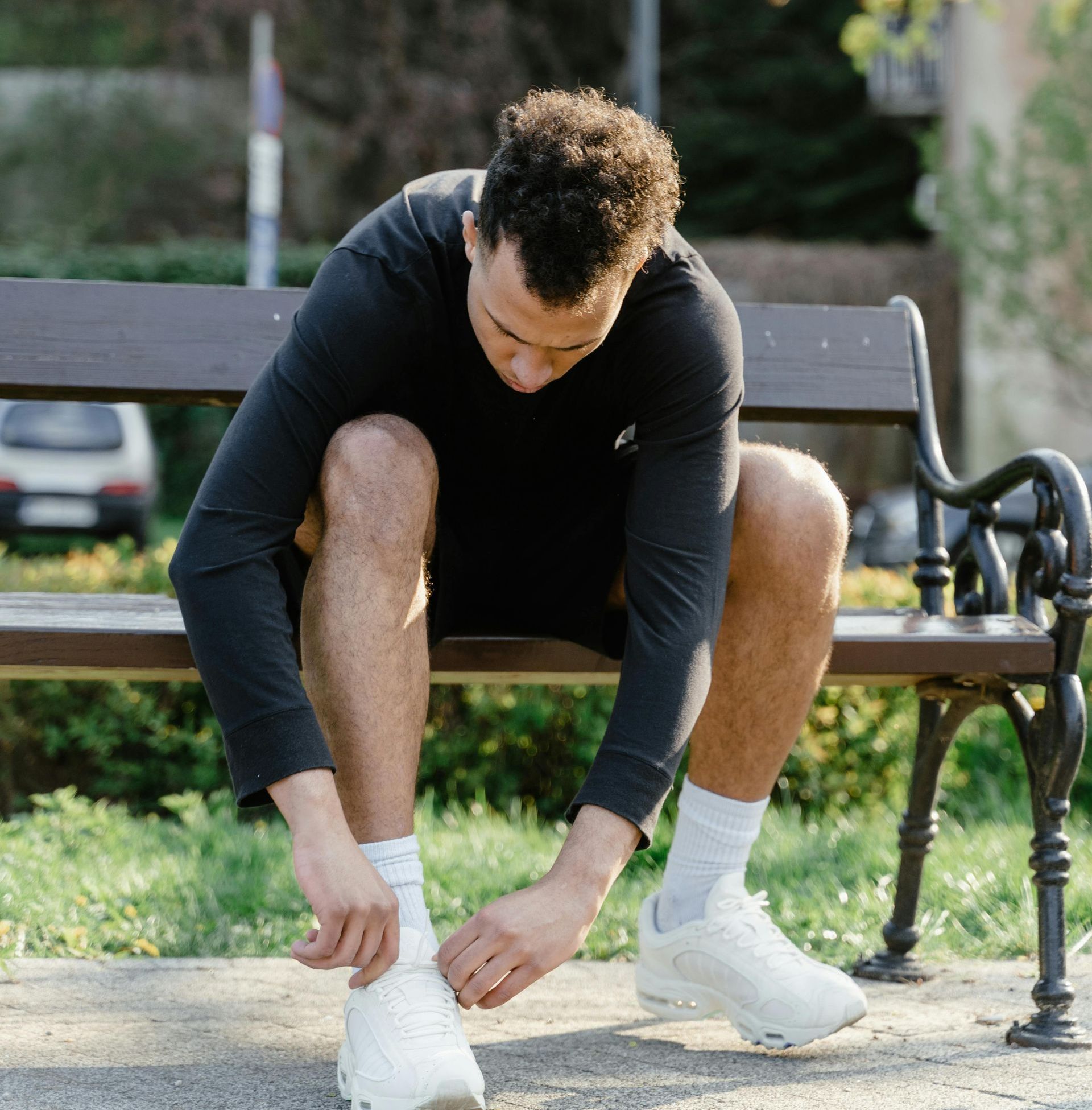
A man is sitting on a bench tying his shoes

Why Easing into Exercise Matters

Jumping headfirst into a new routine might sound exciting, but overexerting your body too soon can lead to soreness, fatigue, or even injuries. By starting small and gradually increasing your intensity over time, you can establish a safe and enjoyable workout rhythm that keeps you coming back day after day.

Plus, spring isn’t just about physical renewal—it’s a chance to realign your mindset as well. A gentle start helps you create healthy habits that stick long after the season ends.


1. Start With a Plan

Before you head to the gym or lace up your running shoes, decide on a schedule that works for you. Here’s how to structure your week for success:

  • Choose three to four days per week to dedicate to exercise. This gives your body enough time to adjust without feeling overwhelmed.
  • Mix different types of activities. Start with low-impact exercises—like walking, yoga, or light cycling—that prepare your muscles for more intense workouts.
  • Set small, achievable goals. Instead of aiming for hour-long sessions right away, commit to 15-20 minutes per workout and build from there.


2. Fuel Your Body for Success

Your energy levels are a reflection of what you put into your body. Follow these tips to stay properly fueled:

  • Stay hydrated. Warmer weather means your body will lose more fluids, so make hydration a priority before, during, and after exercise.
  • Snack smart. Eat light, nutrition-rich snacks before your workout to keep your energy steady. Think banana with peanut butter or a handful of nuts.
  • Post-workout recovery. Support muscle recovery with protein-rich meals or shakes after exercising.


3. Make the Outdoors Your Gym

One of the greatest things about spring is the chance to take your workouts outside. Not only does fresh air boost your mood, but it also provides a natural, motivating backdrop to shake off that winter slump.

  • Try taking brisk walks in the park, hiking local trails, or biking through your neighborhood.
  • Bodyweight exercises like squats, lunges, and push-ups are easy to do on open lawns.

Tip: Don’t forget sunscreen and a hat if you’ll be exercising in direct sunlight!


4. Stretch It Out

Warming up and cooling down are non-negotiable when it comes to injury prevention. Before exercising, spend 5-10 minutes on a dynamic warm-up (e.g., arm circles, jumping jacks) to get your blood flowing. Afterward, hold static stretches for each major muscle group for at least 30 seconds to improve flexibility and reduce soreness.


5. Stay Consistent, But Listen to Your Body

Building a routine works best when it's consistent, but remember to listen to your body. Feeling sore? Swap your workout for a low-intensity activity like restorative yoga or a leisurely walk. Over time, you’ll learn to balance pushing yourself with giving your body the rest it needs.


6. Make It Fun

Exercise doesn't have to feel like a chore. Here’s how to keep it enjoyable:

  • Experiment with group activities like sports leagues, outdoor yoga classes, or dance classes. The social aspect can keep you motivated!
  • Try something new! Spring is the time to explore activities like paddle boarding, tennis, or even rock climbing.
  • Create a playlist of upbeat songs to get moving. Nothing gets you out the door like a great workout soundtrack.


Spring is a season of growth, and your fitness routine should reflect that. By easing into your workouts and focusing on balance, you’ll set yourself up for long-term success—physically and mentally.

If you have an injury that is troubling you, the professionals at West Niagara Chiropractic and Wellness Centre will help you heal and tackle your exercise goals.

Call 905-945-3730!

By Chelsey Smith April 26, 2026
Pregnancy is an incredible journey—but let’s be honest, it can also come with aches, pains, and unexpected physical stress. If you’ve been hearing about a prenatal chiropractor and wondering what they do (and if it’s worth it), you’re not alone. Let’s break it down in a way that’s easy to understand especially if you’re in the Hamilton area and exploring options for better prenatal care.
Niagara Chiropractor
By Chelsey Smith March 18, 2026
When people think about visiting a chiropractor, they often associate it with back pain or injuries. While pain relief is certainly one of the most common reasons people seek chiropractic care, the benefits go far beyond that. Chiropractic treatment focuses on improving spinal alignment, supporting the nervous system, and helping the body function at its best. If you’ve been considering chiropractic care, here are the top five reasons why it may be a great addition to your wellness routine.
By Chelsey Smith February 17, 2026
Many people first visit a chiropractor seeking relief from a specific ache or pain. Whether it's a stiff neck from long hours at a desk, a sore back from a weekend project, or a nagging injury that won't go away, the goal is often immediate relief. But what happens after the initial pain subsides? Chiropractic care offers more than just a quick fix; it provides a path to long-term health through regular maintenance.  Just as you visit a dentist for regular cleanings to prevent cavities, chiropractic maintenance helps prevent musculoskeletal issues and enhances your overall well-being. It’s a proactive approach to health that keeps your body functioning at its best. This guide will explore the significant benefits of incorporating regular chiropractic adjustments into your wellness routine.
By Chelsey Smith January 13, 2026
You’ve seen them in modern offices, trendy coworking spaces, and maybe even your neighbor’s home setup. Standing desks have transformed from a niche ergonomic tool into a staple of the contemporary workplace. But is trading your chair for a standing setup actually good for you, or is it just another wellness fad?  Before you commit to standing all day, it helps to understand what you’re getting into. Let’s break down the real benefits and the potential pitfalls of making the switch.
By Chelsey Smith December 23, 2025
The start of a new year often brings a wave of motivation. We set goals to eat better, exercise more, and improve our overall well-being. While these resolutions are fantastic, one crucial aspect of our health is frequently overlooked: our spine. Think of your spine as the foundation of your body. When it's not aligned, it can affect everything else. This January is the perfect opportunity to make spinal health a priority.
Man shoveling snow from a wooden porch wearing a blue parka, jeans, and a patterned sweater.
By Sara DeSantis December 2, 2025
The first heavy snowfall of the season brings a certain kind of quiet beauty. But it also brings the chore many of us dread: shovelling. While it might seem like just another task, shovelling is a strenuous physical activity. Rushing out into the cold without preparing your body is a recipe for injury. A few minutes of warming up can make all the difference between a clear driveway and a painful trip to the doctor.
Woman lifting dumbbells with guidance from a trainer in a gym setting.
By Sara DeSantis November 21, 2025
Slouching over a desk or phone is a common habit, but it can lead to more than just a temporarily sore neck. Poor posture contributes to back pain, muscle imbalances, and even reduced lung capacity over time. While you might try to consciously sit up straight, a more lasting solution lies in building the physical foundation for good posture. Strength training is a powerful tool that can help you stand taller, move better, and feel stronger.
Four people running on a paved road with yellow lines. They are wearing athletic clothes.
By Sara DeSantis October 7, 2025
Have you ever stopped to think about how you walk? This seemingly simple, automatic action is known as your gait. It's your personal pattern of movement when you walk or run. While you may not give it much thought, your gait is a complex process involving your brain, spinal cord, nerves, muscles, and bones, all working in harmony. It's also a powerful indicator of your overall health. An efficient gait allows you to move freely and without pain. But when something is off, it can lead to a domino effect of issues, from sore knees to chronic back pain. Understanding your gait is the first step toward addressing these problems and improving your quality of life.
Children running on a track, wearing white shirts and shorts; smiling. Stadium in the background.
By Sara DeSantis September 5, 2025
As a parent, you want to give your child every advantage, whether in the classroom or on the athletic field. An active lifestyle is crucial for their development, and having the right gear is a big part of that. When it comes to athletics, the single most Important piece of equipment is their shoes. The right pair can make running more enjoyable, improve performance, and most importantly, help prevent injuries. But with so many options available, how do you choose the best running shoes for your child? This guide will walk you through everything you need to know. We’ll cover how to find the perfect fit, what features to look for, and why proper footwear is essential for your young athlete's health.
A golfer tees up a ball on a bright green golf course under a sunny sky.
By rob August 8, 2025
Golf is a sport enjoyed by millions worldwide, celebrated for its mix of leisure, concentration, and technical skill. Despite its reputation as a low-impact activity, golfers frequently experience injuries due to repetitive motion, poor technique, and inadequate preparation. Understanding these injuries and how to prevent them can lead to a better, pain-free golfing experience. Below, we’ll outline some of the most common golf injuries and offer practical strategies to avoid them.